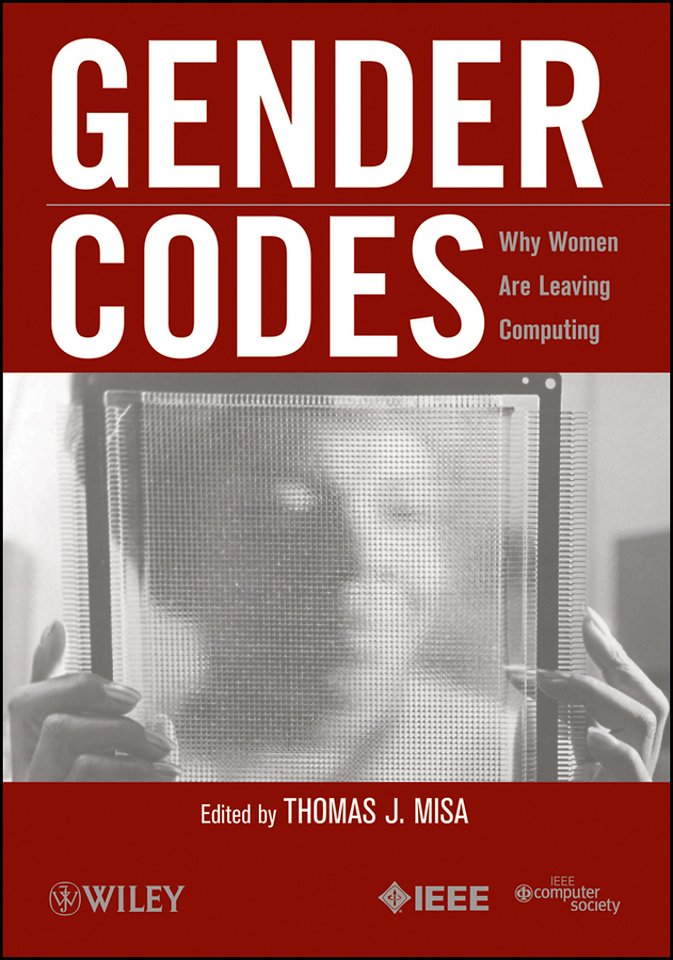
Gender Codes – Why Women Are Leaving Computing
Why Women Are Leaving Computing
Paperback Engels 2010 9780470597194Samenvatting
The computing profession faces a serious gender crisis. Today, fewer women enter computing than anytime in the past 25 years. This book provides an unprecedented look at the history of women and men in computing, detailing how the computing profession emerged and matured, and how the field became male coded. Women′s experiences working in offices, education, libraries, programming, and government are examined for clues on how and where women succeeded and where they struggled. It also provides a unique international dimension with studies examining the U.S., Great Britain, Germany, Norway, and Greece. Scholars in history, gender/women′s studies, and science and technology studies, as well as department chairs and hiring directors will find this volume illuminating.
Specificaties
Lezersrecensies
Inhoudsopgave
<p>Preface xiii</p>
<p>Contributors xv</p>
<p>PART I: TOOLS FOR UNDERSTANDING 1</p>
<p>1 Gender Codes 3<br /> Defining the Problem<br /> Thomas J. Misa</p>
<p>2 Computer Science 25<br /> The Incredible Shrinking Woman<br /> Caroline Clarke Hayes</p>
<p>3 Masculinity and the Machine Man 51<br /> Gender in the History of Data Processing<br /> Thomas Haigh</p>
<p>PART II: INSTITUTIONAL LIFE 73</p>
<p>4 A Gendered Job Carousel 75<br /> Employment Effects of Computer Automation<br /> Corinna Schlombs</p>
<p>5 Meritocracy and Feminization in Confl ict 95<br /> Computerization in the British Government<br /> Marie Hicks</p>
<p>6 Making Programming Masculine 115<br /> Nathan Ensmenger</p>
<p>7 Gender and Computing in the Push–Button Library 143<br /> Greg Downey</p>
<p>PART III: MEDIA AND CULTURE 163</p>
<p>8 Cultural Perceptions of Computers in Norway 1980 2007 165<br /> From "Anybody" Via "Male Experts" to "Everybody"<br /> Hilde G. Corneliussen</p>
<p>9 Constructing Gender and Technology in Advertising Images 187<br /> Feminine and Masculine Computer Parts<br /> Aristotle Tympas, Hara Konsta, Theodore Lekkas, and Serkan Karas</p>
<p>PART IV: WOMEN IN COMPUTING 211</p>
<p>10 The Pleasure Paradox 213<br /> Bridging the Gap Between Popular Images of Computing and Women s Historical Experiences<br /> Janet Abbate</p>
<p>11 Programming Enterprise 229<br /> Women Entrepreneurs in Software and Computer Services<br /> Jeffrey R. Yost</p>
<p>12 Gender Codes 251<br /> Lessons from History<br /> Thomas J. Misa</p>
<p>13 Gender Codes 265<br /> Prospects for Change<br /> Caroline Clarke Hayes</p>
<p>Bibliography 275</p>
<p>Index 297</p>
Rubrieken
- advisering
- algemeen management
- coaching en trainen
- communicatie en media
- economie
- financieel management
- inkoop en logistiek
- internet en social media
- it-management / ict
- juridisch
- leiderschap
- marketing
- mens en maatschappij
- non-profit
- ondernemen
- organisatiekunde
- personal finance
- personeelsmanagement
- persoonlijke effectiviteit
- projectmanagement
- psychologie
- reclame en verkoop
- strategisch management
- verandermanagement
- werk en loopbaan